
 Қазақша
 Русский
  English
  简体中文
简体中文 

 联系我们
联系我们


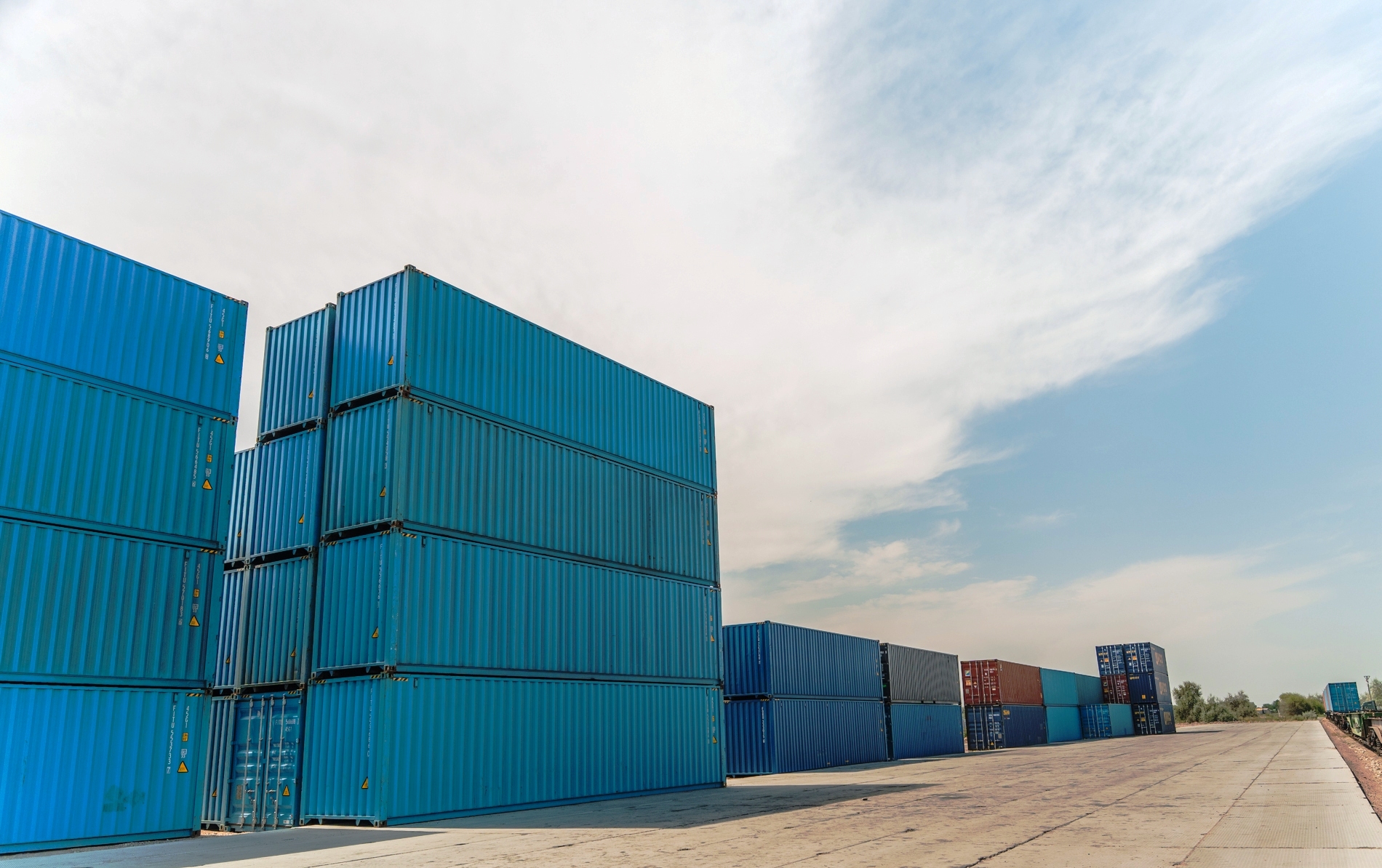
A client submits an application and some timelater, a container arrives at the loading site. To a casual observer, it may seem that the container was simply waiting somewhere until it was needed. In reality, a suitable container first has to be found, inspected and delivered to the consignor. This process affects shipping times, transportation costs and cargo safety.
Why a Container Does Not Always Arrive the Same Day
Empty containers are rarely available exactly where and when they are needed. After unloading, they may remain at a railway station, terminal, or client’s site, sometimes in another city or region. Their availability depends, among other things, on the country of origin and the imbalance in freight flows between different directions.
For example, container traffic from China to Kazakhstan is greater than in the opposite direction. As a result, after unloading, many empty containers remain in Kazakhstan. However, a significant number of them belong to Chinese railway operators, meaning that a local exporter cannot necessarily use them even if they are sitting at a nearby station.
At the same time, the number of container shipments continues to grow. According to the Ministry of Transport of the Republic of Kazakhstan, container traffic reached 2,203,000 TEU (twenty-foot equivalent units, a standard measure of container capacity) in 2025, compared with 2,115,000 TEU in 2024.
The more container shipments there are, the more carefully containers need to be managed. This means that every shipment requires some preparation in advance. The earlier a transportation application is submitted, the easier it is to find a suitable container nearby.
Three Steps Before Loading
Finding an empty container is a separate task for a freight forwarder. At Atasu Group, this responsibility lies with the Container Department.
1. Search. Container Department employees select a container suitable for the specific cargo, taking into account its size, type and capacity. They also look for locations where suitable equipment is available and can be dispatched in the required direction.
2. Inspection. The container must be inspected for defects, cleanliness and suitability for the particular cargo.
3. Delivery. Once prepared, the container is delivered by road or rail to the station or the consignor’s warehouse.
“We often select containers directly at the loading site, i.e. at terminals where container trains are formed. That is why the selection process can take from one to three days. The exact timeframe depends on container availability and how busy the departure station is. If the route is particularly busy at the time, the process may take longer,” explains the Head of Atasu Group’s Container Department.
How We Inspect Containers to Ensure Cargo Safety
A damaged container can damage the cargo inside, even if the rest of the transportation process goes flawlessly. That is why every container must be inspected before it is sent to the client. We check:
-
whether the CSC plate is valid;
-
whether there are any holes, cracks, or major dents in the container body;
-
whether the doors, locks and seals are in proper working condition;
-
the condition of the floor, especially when transporting heavy cargo;
-
whether the interior is clean and dry and free of any odors or traces from previous cargo.
Small holes can be detected using a light test. An inspector enters the container and closes the doors. By looking for light penetrating through the roof or walls, the inspector can identify holes through which water could later enter the container.
Containers used to transport food products and grain must be clean and free of any traces of chemicals. When transporting machinery and other mechanical equipment, the container must have a sufficiently strong floor and suitable securing equipment. If a container fails the inspection, it is replaced.
Why an Empty Container Affects the Cost
Transporting an empty container costs money. As a rule, railway transportation rates do not include the cost of returning an empty container, which is usually borne by the consignee or freight forwarder. These additional expenses therefore have to be taken into account when calculating the final shipping cost.
Another factor affecting the cost is the container’s use period. The container owner may provide a grace period, after which additional charges may apply. The length of this period depends on the particular container owner and the terms of the shipment, so it is better to clarify these conditions when booking the container.
Consignors and consignees can reduce some of these expenses themselves: the faster the container is unloaded and returned, the less they ultimately have to pay.
How to Speed Up Delivery to the Loading Site
How quickly a container reaches the loading site depends not only on the freight forwarder but also on the consignor. Hereiswhatyoucando:
-
Submit your application in advance, especially if you are planning a shipment between September and December, when freight traffic is particularly busy and container availability may be limited.
-
Provide a detailed description of the cargo: what it is, its weight, packagingand any special requirements. This helps the forwarder select the right container.
-
Unload and return the container on time. This helps the client avoid additional charges and allows the container to be made available to the next user without unnecessary delays.
-
Combine import and export shipments. If a company has cargo flows in both directions and the container owner permits the equipment to be reused, a container can be used for the company’s export shipment immediately after its import cargo has been unloaded. This reduces container downtime and empty repositioning, helping to lower overall costs and processing times.
What Atasu Group Handles
Most of this work takes place without requiring the client’s involvement. Atasu Group operates its own rolling stock, including container flatcars, as well as a fleet of trucks and specialized vehicles. This enables the company to deliver both loaded and empty containers to clients using its own resources and to respond more quickly when plans change.
If there is a bottleneck at the border or a regional shortage of containers, the team looks for alternatives: containers belonging to a different owner, a different type of equipment, or another delivery method.
To learn what happens to a container at the Kazakhstan-China border, read our article “Two Gauges at the Border: What Happens to a Container at Dostyk Station.”
Atasu Group has been operating in the logistics sector for 28 years as a full-cycle logistics provider. The company handles not only the main transportation leg but also related operations, including sourcing, inspecting and delivering empty containers to the loading site.
To calculate the container placement timeline and shipping costs for your specific cargo, submit a request to Atasu Group’s specialists.


